
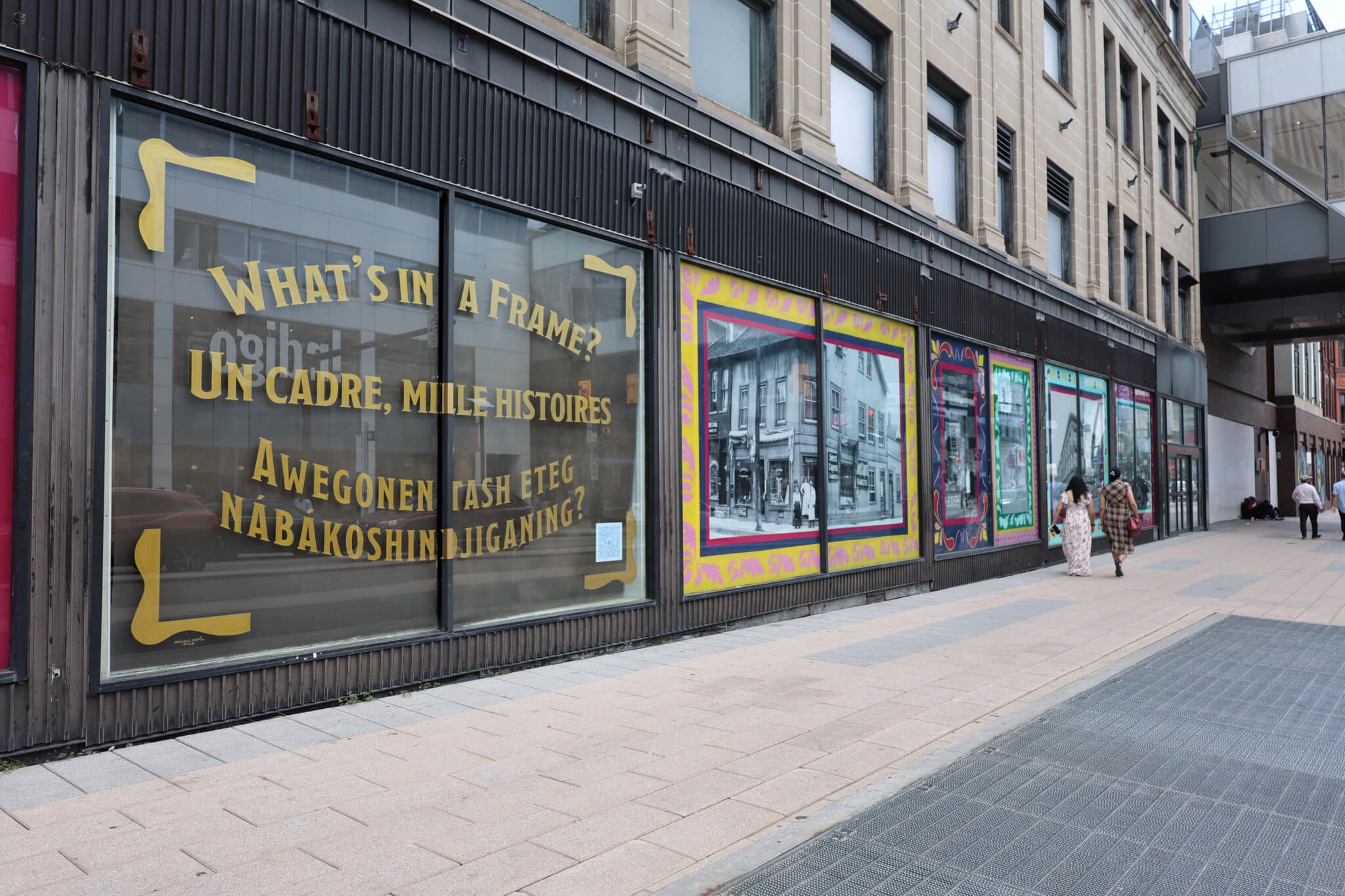
Ottawa 200+ People, Portraits, Places, and People
Location: Former Hudson’s Bay Company display windows, Rideau Street
Ottawa 200+ Portraits, Places, and People honours Lowertown’s history of commerce, community, and change.
Using the iconic former Hudson’s Bay windows on Rideau Street, historic photographs of storefronts and streetscapes in the area were combined with the work of contemporary artists to create new storefronts that connect passersby to the past, inviting discovery and exploration in the city’s downtown core during Ottawa’s bicentennial.
The installation is an extension of the Bytown Museum’s recent temporary exhibition, What’s in a Frame? 200+ Years of Community Portraits and a part of the newly launched Arts Corridor, an Ottawa Art Gallery initiative in the heart of Ottawa’s ACE District. The windows frame exterior portraits of the city and reveal stories from Ottawa’s past. The photographs for this installation were selected from the Bytown Museum and City of Ottawa Archives’ collections based on Rideau Street as a place where, then and now, people come to move, shop, and gather.
Take a look and experience a day on Rideau.
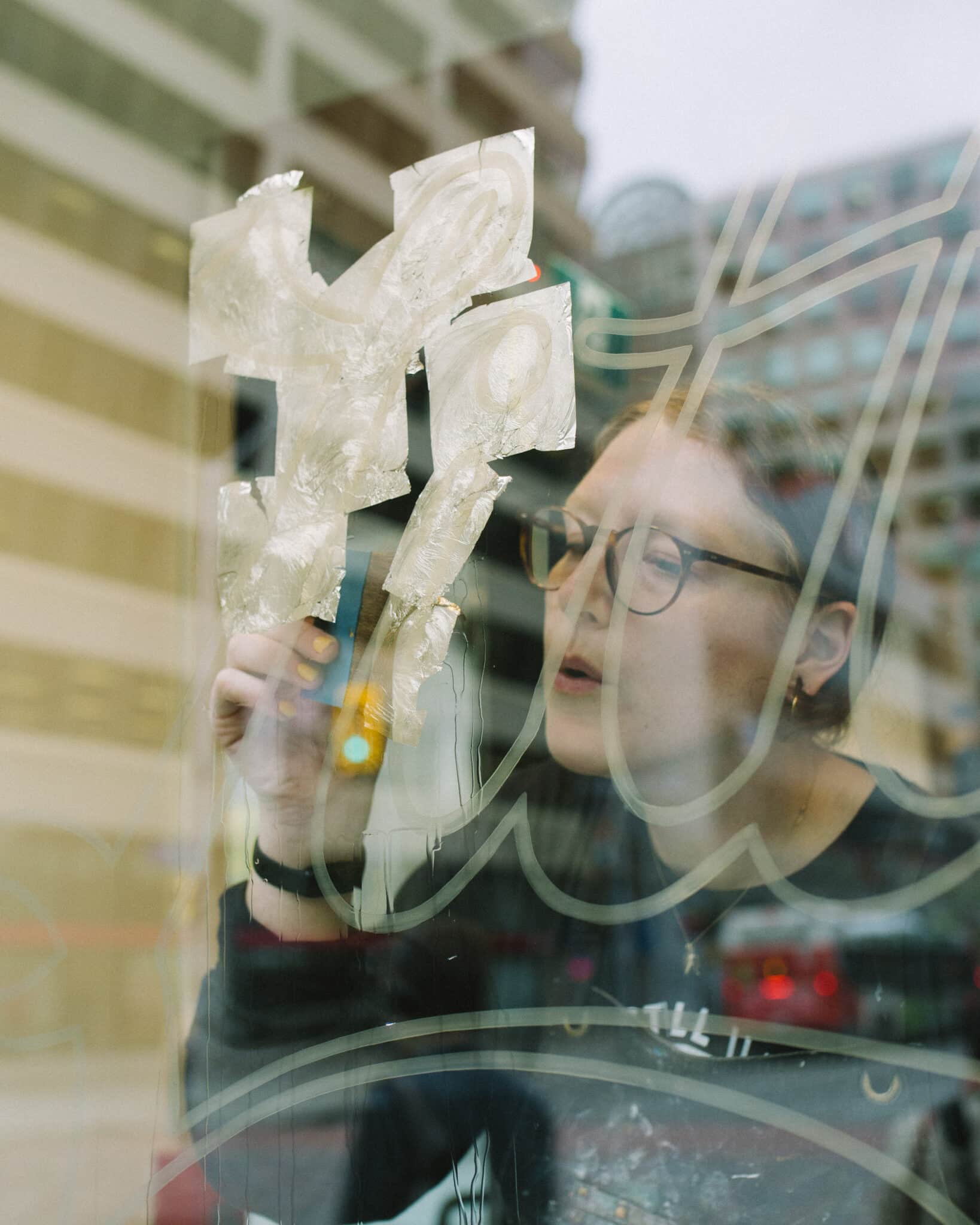
Pascale Arpin
Pascale Arpin, b. 1987, is an Ottawa-based artist whose expertise across numerous domains and disciplines has made her a highly skilled and sought-after creative. Her traditional sign painting and lettering work, which can be spotted throughout her hometown of Ottawa (and beyond), has garnered international recognition as well as been featured in several publications and exhibitions. In 2020, Arpin began to teach herself oil painting with the goal of creating works that combine photorealism with traditional hand-painted lettering techniques. She has since begun shifting her focus towards her personal painting practice while continuing to provide traditional signwriting services in Ottawa and beyond.
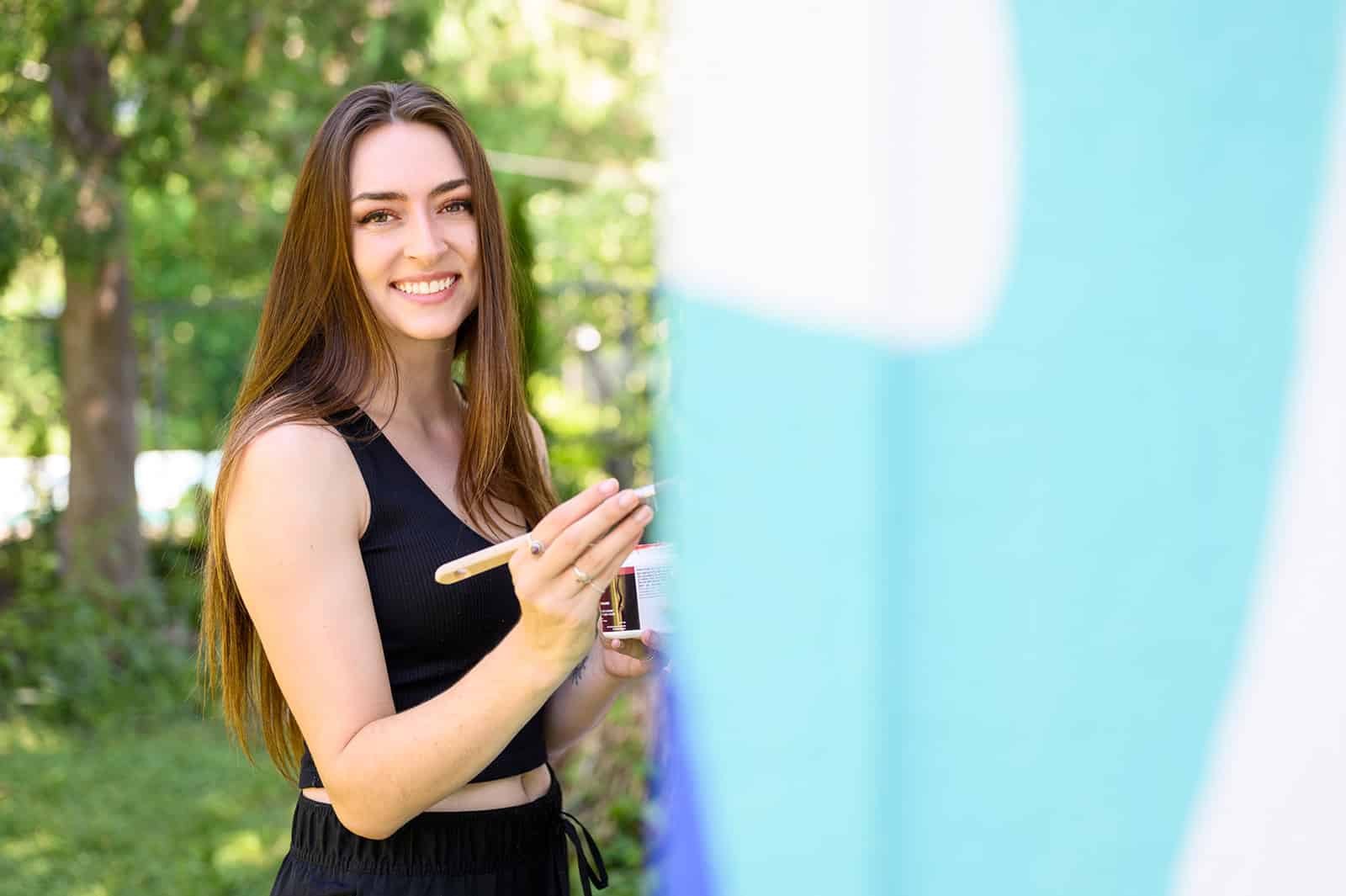
Emilie Darlington
Emilie Darlington (@ArtworkByEmilie ) is a Canadian muralist, painter and illustrator specialising in artwork that expresses and inspires connections with nature. Known for her vibrant palettes and attention to detail, Emilie often favours themes of sustainability, environmental impact, natural ecosystems, and botanical symbolism in her impactful work. Emilie’s Bachelor of Fine Arts Degree informs her approach to colour, scale and design, and she is known for creating artwork that is equally impactful when viewed from a distance or when close enough to touch.

 There’s a little bit of home here. There’s a little bit of home everywhere.
2026, vinyl wrap installation
Location: 70 Clarence Street
This monumental work by L’nu (Mi’kmaw) artist Jordan Bennett transforms the building into a vibrant expression of living Indigenous knowledge.
The work is inspired by historic Mi’kmaq porcupine quillwork held in Ottawa museum collections, as well as the artist’s time spent with Mi’kmaw Elder and educator Steven Augustine. Through colour and form, each design tells a story through an evolving visual lexicon that the artist continues to build—one that extends a living visual language carried across generations by Mi’kmaq makers.
By bringing these designs into the public realm, Bennett seeks to rematriate cultural knowledge, returning ancestral visual traditions to community spaces where they can once again be encountered, shared, and celebrated.
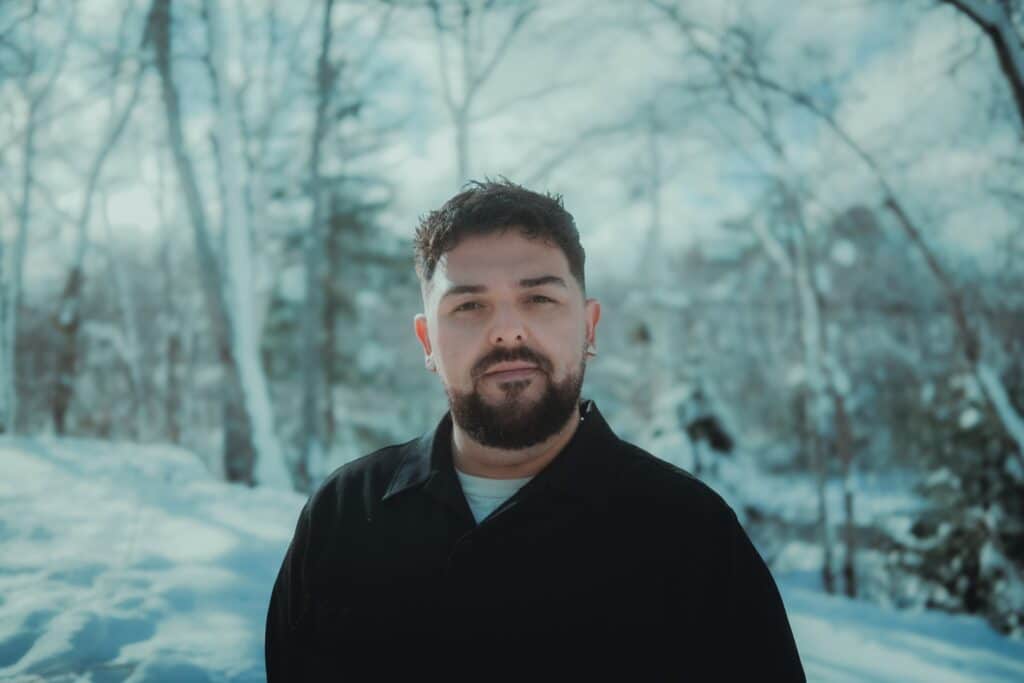
Jordan Bennett
L’nu (Mi’kmaw), member of the Flat Bay First Nation Band (No’kmaq Village) b. 1986 Stephenville Crossing, Newfoundland (Ktaqmkuk)
Having a methodology that is deeply guided by the Land of his ancestors, Jordan Bennett’s ongoing work possesses qualities of familiarity through colour and form that can serve as a connection for a wide range of audiences spanning culture and generation. His work, though not always directly challenging colonial perceptions of Indigenous histories and presence, lends itself to discussions regarding contemporary Indigenous realities within urban and rural communities. His ongoing practice utilizes sculpture, painting, video, immersive installations, and sound to explore land, language, the act of visiting and his familial histories. Bennett currently holds the position of Associate Professor, Expanded Media at NSCAD University. Since 2008 he has exhibited extensively nationally and internationally in over 100 group and solo shows as well as created multiple public art commissions throughout Canada.
Kindness Cascade
2026, digital print on vinyl
Location: York Street steps
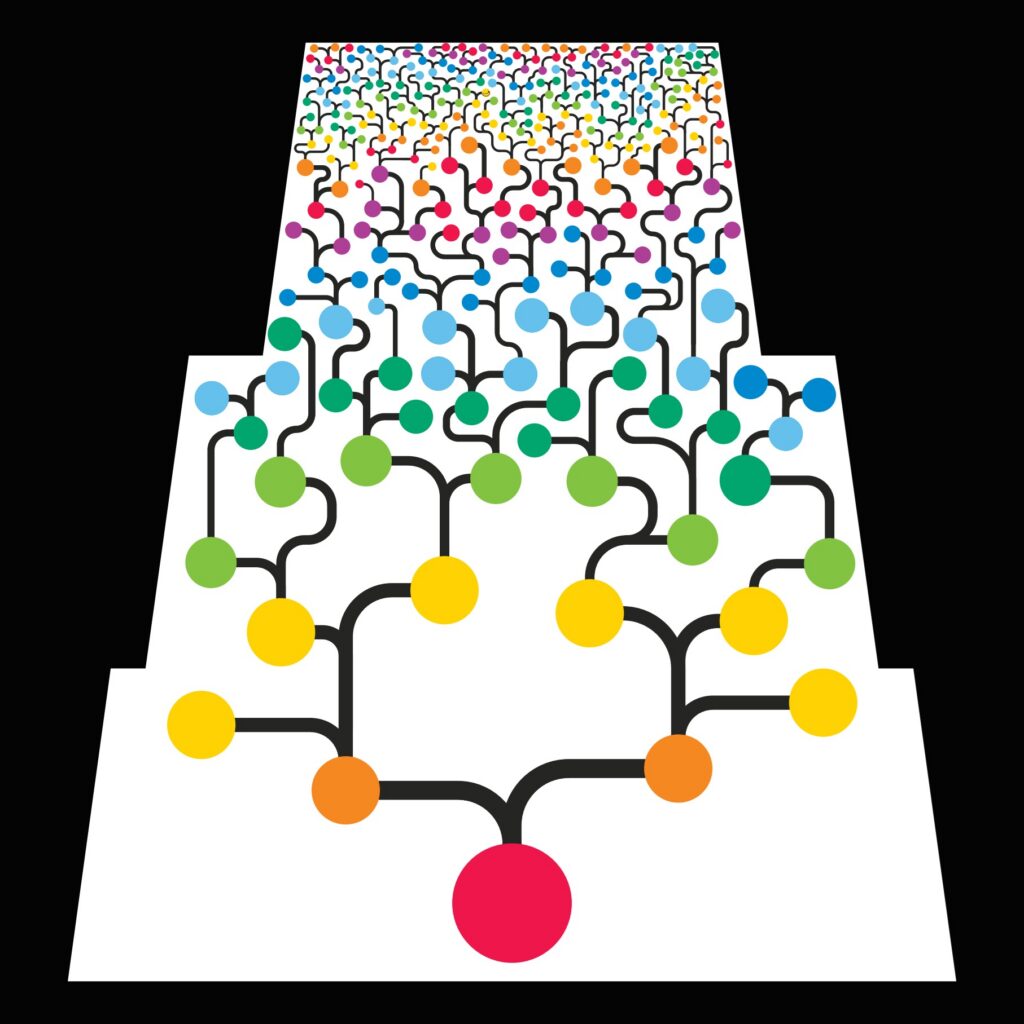
Kindness Cascade visualizes how acts of kindness spread exponentially within social networks. Based on scientific research demonstrating the cascading effect of cooperative behaviour (Fowler & Christakis, 2010), this public artwork represents kindness as a generative force within communities.
Stand at a coloured dot representing a single act of kindness, then follow the lines and experience how that individual act can inspire others.
Accompanying Kindness Cascade on the York Street steps is a temporary interactive public art project: a series of Awesome Boxes that invite you to record and receive messages of kindness. Find them throughout the Arts Corridor at the National Gallery of Canada, the Ottawa Art Gallery, the Ottawa School of Art, and nearby at the OTTAWA sign.
Fowler, J. H., & Christakis, N. A. (2010). Cooperative behavior cascades in human social networks. Proceedings of the National Academy of Sciences, 107(12), 5334–5338.
Rich Loen
Rich Loen is a Canadian contemporary and new media artist. His works explore the intersections of art and technology, data science, design and engineering—all while centering human experience. Loen’s background in art, engineering, and design has ushered him towards building works that respond to the human desire to be seen.
 Country Queers No. 2
2026, digital print based on an original digital drawing from 2019
Location: 41 York Street
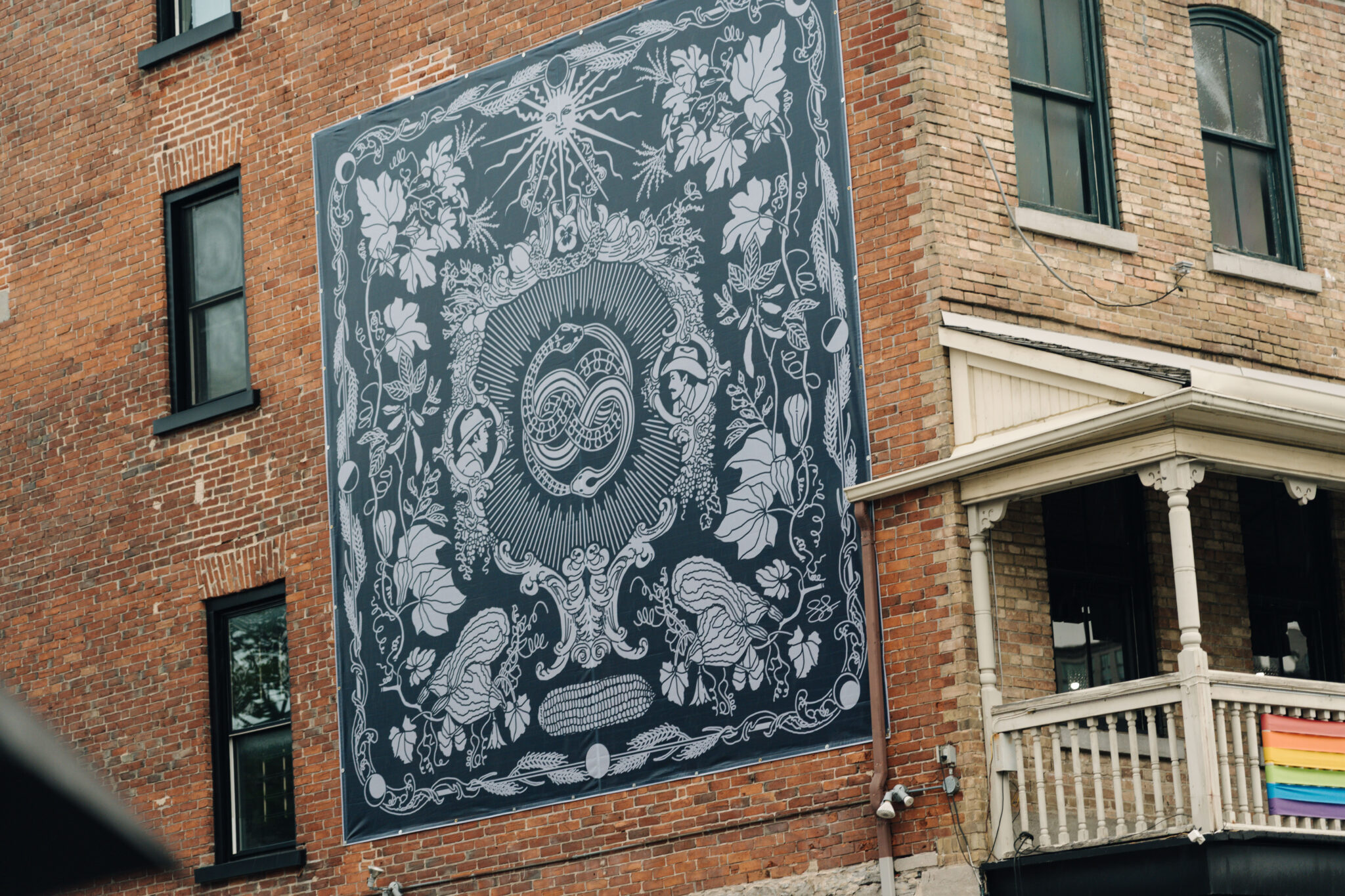
In this digital drawing, adapted from a screen-printed work in his Country Queers series, artist Sam Loewen reflects on growing up queer in the rural community of Lethbridge, Alberta, where copies of The Old Farmer’s Almanac offered an unexpected source of inspiration. Combining gardening advice, astronomy, weather predictions, folklore, and illustrations, the almanac suggested alternative ways of understanding both the prairie landscape and the conservative culture in which Loewen was raised.
Through drawings, motifs, and portraits, Country Queers No. 2 brings together imagery from The Old Farmer’s Almanac, tarot symbolism, popular cinema, and the flora and fauna of Southern Alberta. References to the Hanky Code – a colour-coded system historically used within queer communities to communicate identity and affiliation – underscore themes of visibility, belonging, and queer connection within rural spaces.
The work is blown up and installed on the exterior of The Lookout Bar – a beloved and longstanding hub for Ottawa’s 2SLGBTQQIA+ community, and an important landmark in the artist’s own life during his time living in the city.

Sam Loewen
Sam Loewen is a queer interdisciplinary artist and designer. His artistic practice explores methods of codification within Western culture to discuss queer identities.
Loewen’s creative process is akin to the ordering of a library or the pruning of a garden; systems of organization and collection. He arranges, pairs, groups, stacks, orders, and compiles symbolic images and coded found objects to complicate, alter, and question their meanings.
In his process, Loewen implements design tools, formalist aesthetics, and manual printing techniques. These strategies produce clean geometries and precious objects that queer the distinctions between art, design, and craft methodologies.
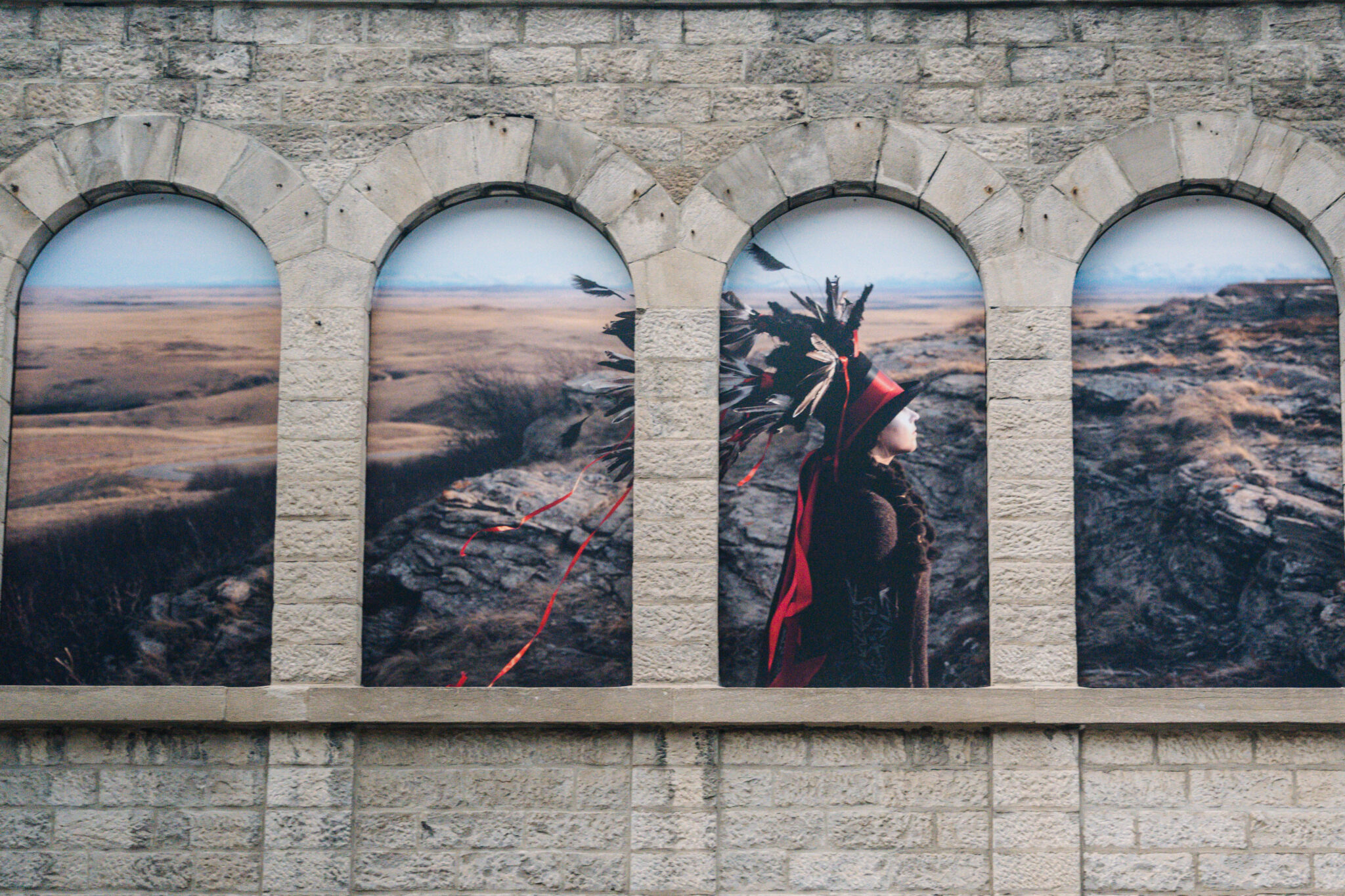 Edge of a Moment Variation I
2026, digital print based on an original photograph made in 2017
Location: 25 George Street
This installation unites two National Historic Sites from across Canada: The Former Geological Survey of Canada Building in Ottawa and Head-Smashed-In Buffalo Jump in Alberta.
In her self-portrait taken at Head-Smashed-In Buffalo Jump, Meryl McMaster wears self-fashioned attire that pays homage to the prairie chicken and beaver—species that, along with the bison, experienced severe population decline or near extinction due to the ecological impacts of colonization in her ancestral homeland. The top hat—a marker of upper-class European identity and colonial power—is embellished with ribbons and feathers, bringing together references to McMaster’s nêhiyaw (Plains Cree), Métis, British and Dutch ancestry. Through this juxtaposition of symbols, the photograph addresses the layered and conflicted histories of this land.
While this building is one of Ottawa’s oldest surviving landmarks, Head-Smashed-In Buffalo Jump is among the oldest buffalo jumps in North America, where Indigenous peoples of the Plains sustainably hunted bison for approximately 6,000 years. Installed at this National Historic Site, Edge of a Moment Variation I situates colonial history within a longer continuum of Indigenous presence on the land since time immemorial.
This installation is a partnership with the National Capital Commission.
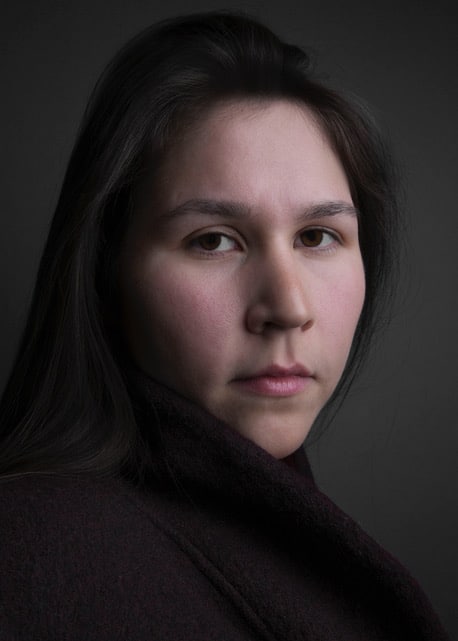
Meryl McMaster
Meryl McMaster earned her BFA in Photography from OCAD University in 2010. Known for her large-format performative self-portraits, she explores identity through land, lineage, history, and culture, drawing on her mixed nêhiyaw (Plains Cree), Métis, British, and Dutch ancestry. Her work has been presented at institutions including Remai Modern, the Smithsonian National Museum of the American Indian, the National Gallery of Canada, and the Ottawa Art Gallery. She recently received the King Charles III Coronation Medal.

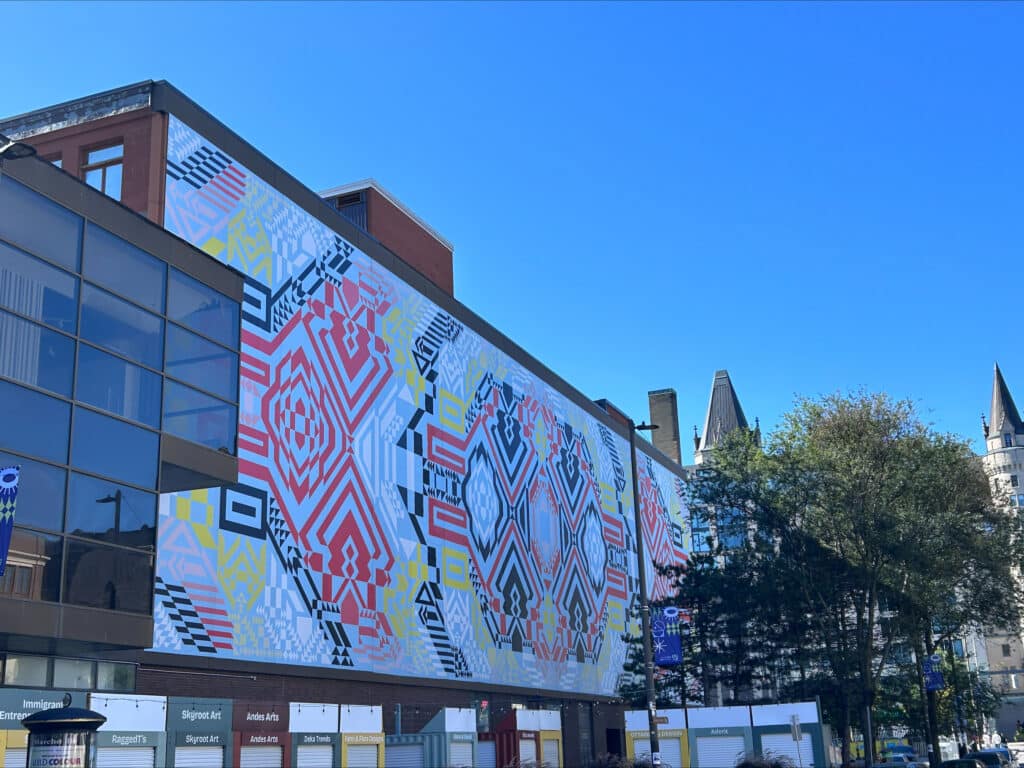
Asinì (Tree Heals its Wounds by Replacing Lost Bark)
2026, digital print on vinyl mesh
Location: George Street, former HBC building
This installation by French Anishinaabe artist Caroline Monnet is a monumental expression of Indigenous presence, continuity and resilience.
Monnet’s digitally generated patterns are inspired by traditional Anishinaabe designs, iconography and artistic forms such as birchbark biting. Using software to produce her distinctive patterns, Monnet’s intricate geometric works also call to mind aerial maps, QR codes, or circuit boards—networks that carry knowledge, information, and connection across time and space.
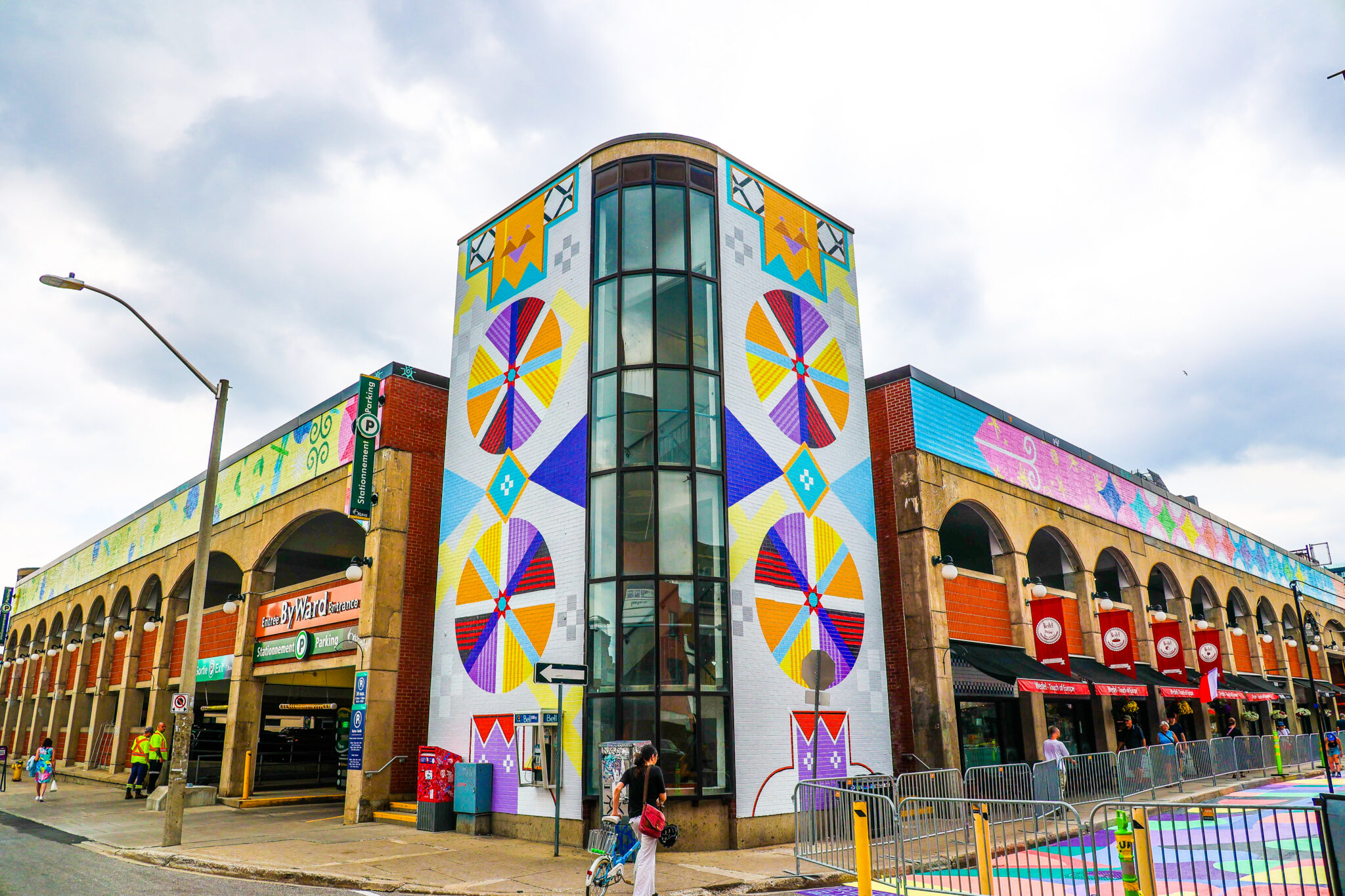
Stretching across the former Hudson’s Bay Company department store in Ottawa, the installation’s monumental scale transforms the building into an immersive visual field, intervening in a site shaped by colonial and commercial histories.
Rendered in vibrant colour, with repetition and symmetry evoking a sense of layered movement and boundless possibility, Asinì (Tree Heals its Wounds by Replacing Lost Bark) asserts the continuity of Indigenous knowledge, culture, and identity while speaking to resilience, healing, and renewal.
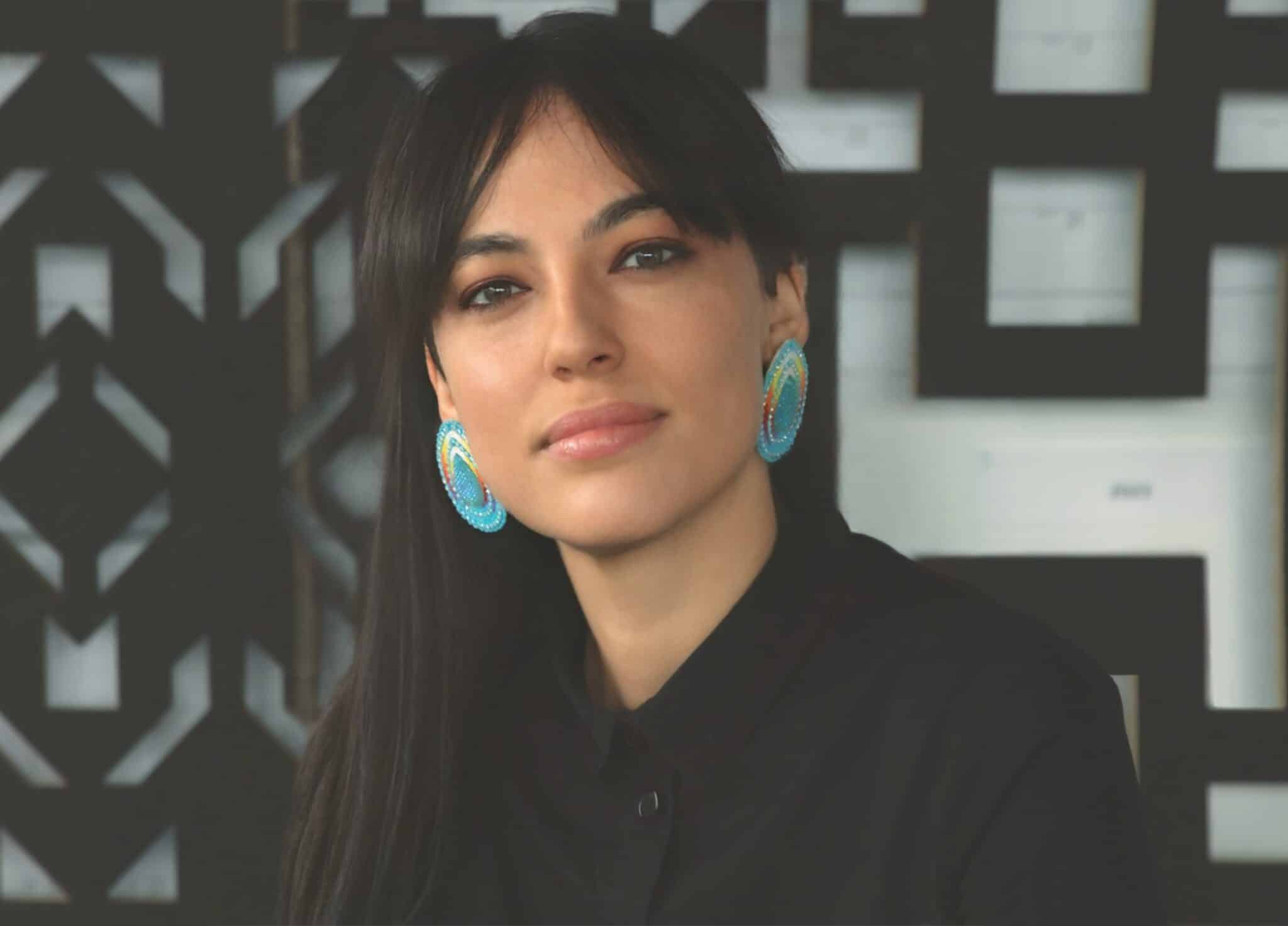
Caroline Monnet
Caroline Monnet is a multidisciplinary artist working across visual art and film. Her practice explores themes of resilience and transformation. She has exhibited internationally at institutions including the Montreal Museum of Fine Arts and the Schirn Kunsthalle Frankfurt and participated in major exhibitions such as the Whitney Biennial and Les Rencontres de photographies de Arles. Her films have screened at the Toronto International Film Festival, Sundance Film Festival, and Berlin International Film Festival. Monnet is the recipient of numerous awards and international fellowships. Her artworks are part of prominent collections across North America and internationally, including the Maison de l’UNESCO in Paris. Caroline’s mother is Algonquin Anishinaabe from Kitigan Zibi and her father is French. She grew up between Aylmer, Quebec, and Brittany, France. She currently lives in Mooniyaang/Tiohtià:ke/Montreal.
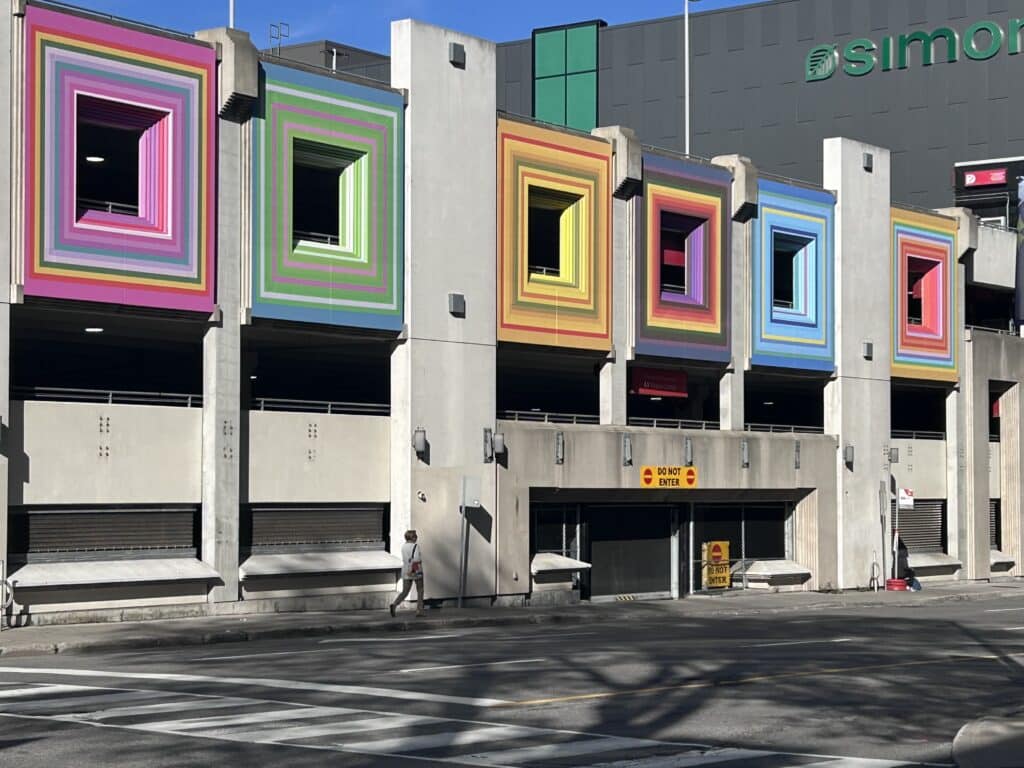
A Journey through Colourful, 2026
2026, digital print on vinyl
Location: Rideau Centre Parking Garage, Nicholas Street
Colour is powerful vehicle of expression for visual artist Peter Owusu-Ansah. His large-scale installation A Journey through Colourful Targets draws viewers into its rhythmic geometry, transforming the streetscape with vibrant colour.
Owusu-Ansah’s practice engages with the history of modernist painting, particularly with the embrace of abstraction as an expressive language. As a Deaf visual artist, Owusu-Ansah revisits these fundamental questions to explore colour as a mode of communication beyond verbal language.
Using contemporary digital technology, Owusu-Ansah refines his colour selections through a process grounded in experimentation and intuition. Likewise, the meaning of Owusu-Ansah’s installation emerges intuitively through an individual experience of colour and form.
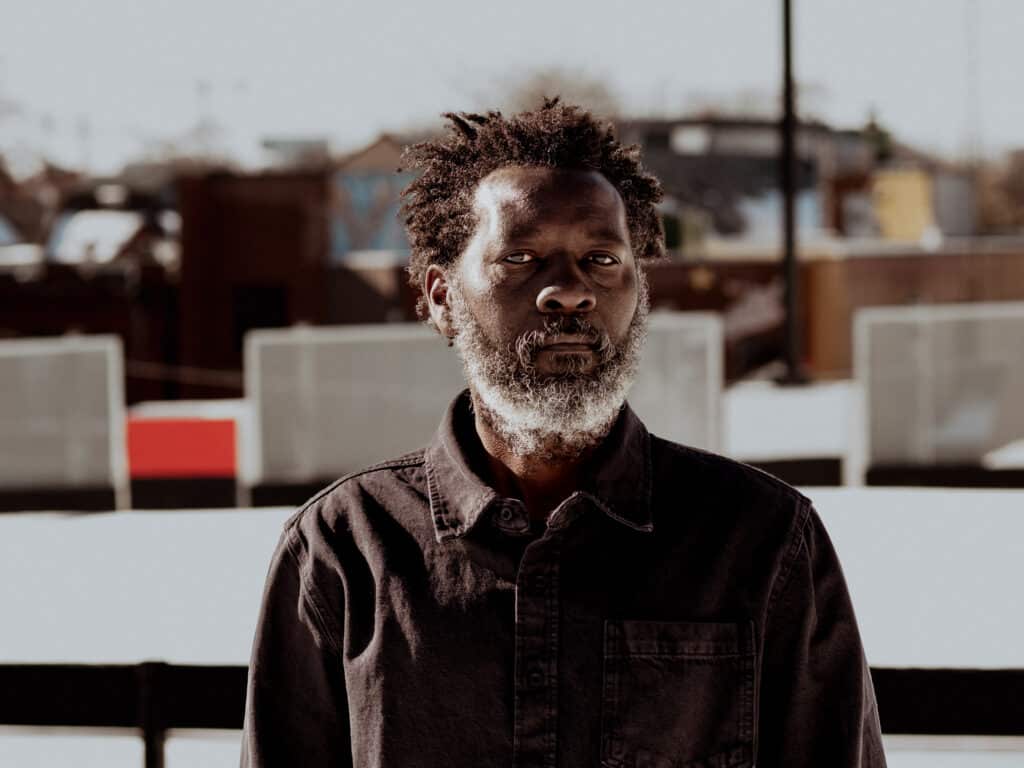
Peter Owusu-Ansah
Peter Owusu-Ansah is Deaf visual artist who commands colours as a visual language beyond sound. Since 2005, his work has evolved from painting to street photography, pop-informed abstraction, and digital colour experiments exploring pixilation, perception, and composition through photoshop-based processes. Guided by learned intuition and sustained experimentation, his work positions colours as both material and system, engaging questions of humanity, access, and connection. Owusu-Ansah has exhibited across Canada, and internationally with works held in private and corporate collections in Canada and United States. He is the recipient of Murray and Marvelle Koffler Founders’ Award.
 Infinite Sunshine
2026
Audio collaboration by Lucas Verreman
Single-channel audio-visual installation
Location: Plaza Bridge
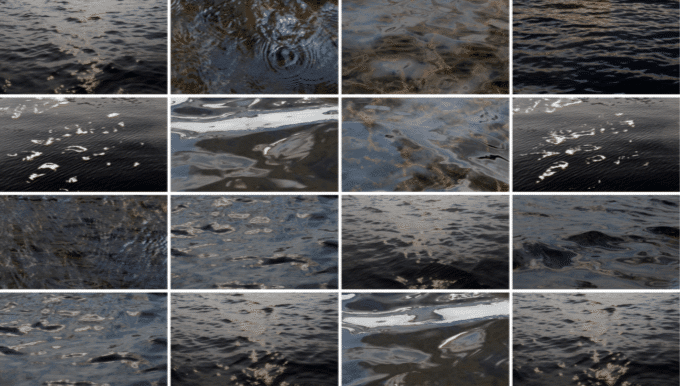
Lose yourself in the endlessly changing reflections of Infinite Sunshine.
Captured across many golden hours spent at the waters edge, Ryan Stec’s audio-visual installation feeds hours of field recordings into a generative system that endlessly combines sun and water, resulting in an ever-changing stream of light and sound that shifts between pastoral landscapes and machine dreaming.
Through layered video of light shimmering on water, Infinite Sunshine dissolves its subject into shifting planes of abstract pattern. In doing so, the installation revisits the aesthetic goals of nineteenth-century movements like Impressionism, concerned with the painterly dissolution of form, achieved here using contemporary generative technology. The result is an experience of pure sensation.
Infinite Sunshine invites sustained engagement with beauty and contemplation of nature’s eternal cycles.
Infinite Sunshine will be on display as daylight fades to night from August 29 to September 10 and September 14 to 24, 2026.
Ryan Stec gratefully acknowledges the financial support of the City of Ottawa.
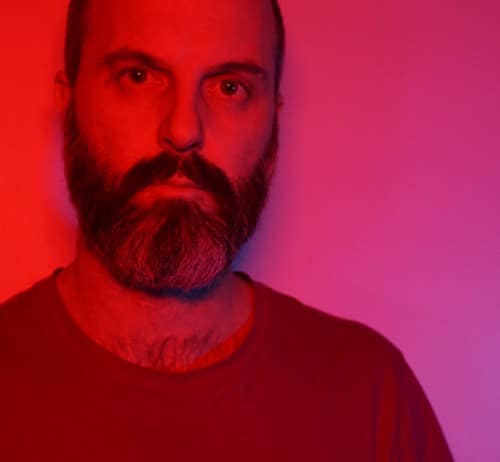
Ryan Stec
Ryan Stec is an artist, designer, educator and producer working with texts, organizations and things, and is currently the Co-Director of the art and technology centre, Artengine and an Adjunct Professor in the Visual Arts Department at the University of Ottawa.

Lucas Verreman
Lucas Verreman applies his expertise in acoustic, electrical and electronic sound research to audiovisual projects. As a creative resident at La Malterie in Lille, France, he has composed and created music since 2020 for more than twenty audiovisual works, including feature films, short movies, TV documentaries, immersive installations, and exhibitions.
This installation is a partnership with the Embassy of France in and Immersive International.

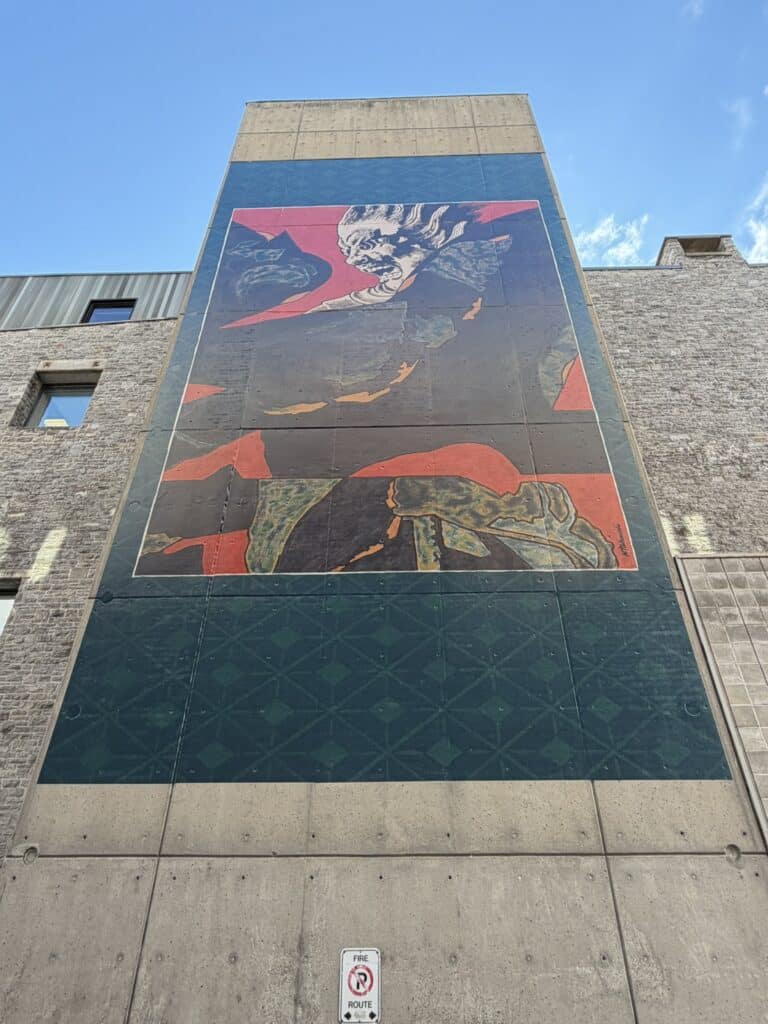 York Street Guardian
2026, digital print based on an original painting from 2026
Location: 18b York Street
Known for his refined use of colour, Ottawa-based artist Norman Takeuchi juxtaposes traditional Japanese imagery with abstract forms to reflect on his cultural heritage and dual identity as a Japanese Canadian.
In this work, Takeuchi presents a Celestial Guardian. A recurring motif in his practice, the Celestial Guardians of Japan — also known as the Heavenly Kings — are fierce, armoured deities. Deeply rooted in Japanese mythology and Buddhism, they serve as protectors and guard against evil forces.
Standing watch over this public space, the guardian here offers a sense of welcome and protection to all who encounter it. Presented in a tall, vertical format reminiscent of a traditional hanging scroll, the work further transforms a place of passage into one of contemplation, inviting viewers to pause, look up, and reflect amid the rhythms of everyday life.
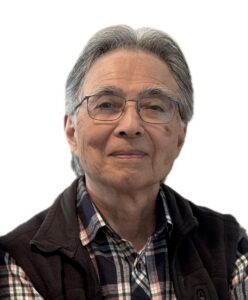
Norman Takeuchi
Born in Vancouver, some of Norman Takeuchi’s earliest memories are of the interior of British Columbia where his parents were forced to relocate during World War II. A graduate of the Vancouver School of Art, he left a design career in 1996 to focus on art. His work is represented in the permanent collections of the Royal Ontario Museum, Canadian War Museum, Ottawa Art Gallery, Canada Council Art Bank, City of Ottawa, Carleton University Art Gallery and the National Gallery of Canada.
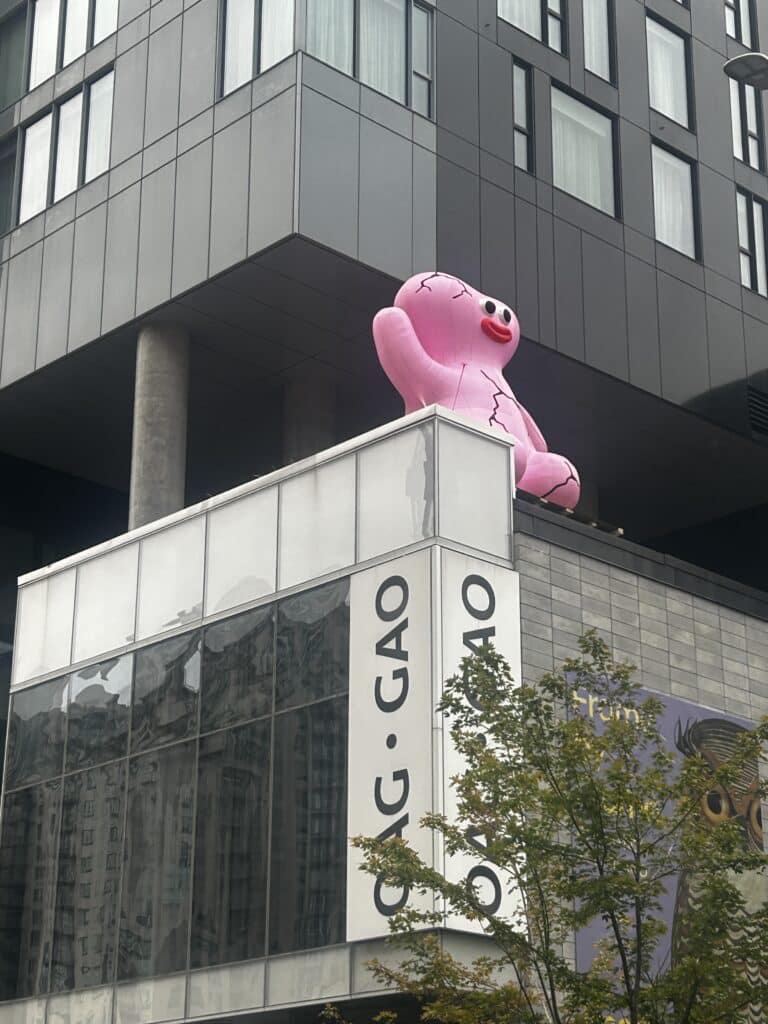
Kinzu
2026, inflatable sculpture
Location: 10 Daly Avenue
Kinzu was born from a reflection on grief and the many forms absence can take.
He represents the strange presence grief leaves behind: something immense, sometimes heavy, that stays with us even when the person we love is no longer there. With time, that presence does not necessarily disappear. It changes shape. We learn to make room for it and to keep moving forward alongside it.
Despite his monumental size, Kinzu is gentle, vulnerable, and comforting. He reminds us that grief is not made of sadness alone. It is also the trace of the love that remains, the memories we carry, and the connections that continue to exist in a different form.
Kinzu is part of Pony’s universe, where emotions come to life as characters, making visible the things we often carry inside.
Want to meet other characters from Pony’s universe and discover more street art? Visit the Trail, a public art trail in downtown Gatineau.

Pony (Gabrielle Laïla Tittley)
Pony (Gabrielle Laïla Tittley) is a Montreal-based multidisciplinary artist whose work explores empathy, vulnerability, and the human experience through humor and colorful character-driven worlds. Working across sculpture, painting, murals, inflatables, and plush objects, she creates playful works that invite deeper reflection on loneliness, resilience, and connection. By blending childlike aesthetics with emotionally resonant narratives, Pony transforms everyday feelings into shared experiences, encouraging audiences to embrace vulnerability and rediscover wonder through art.
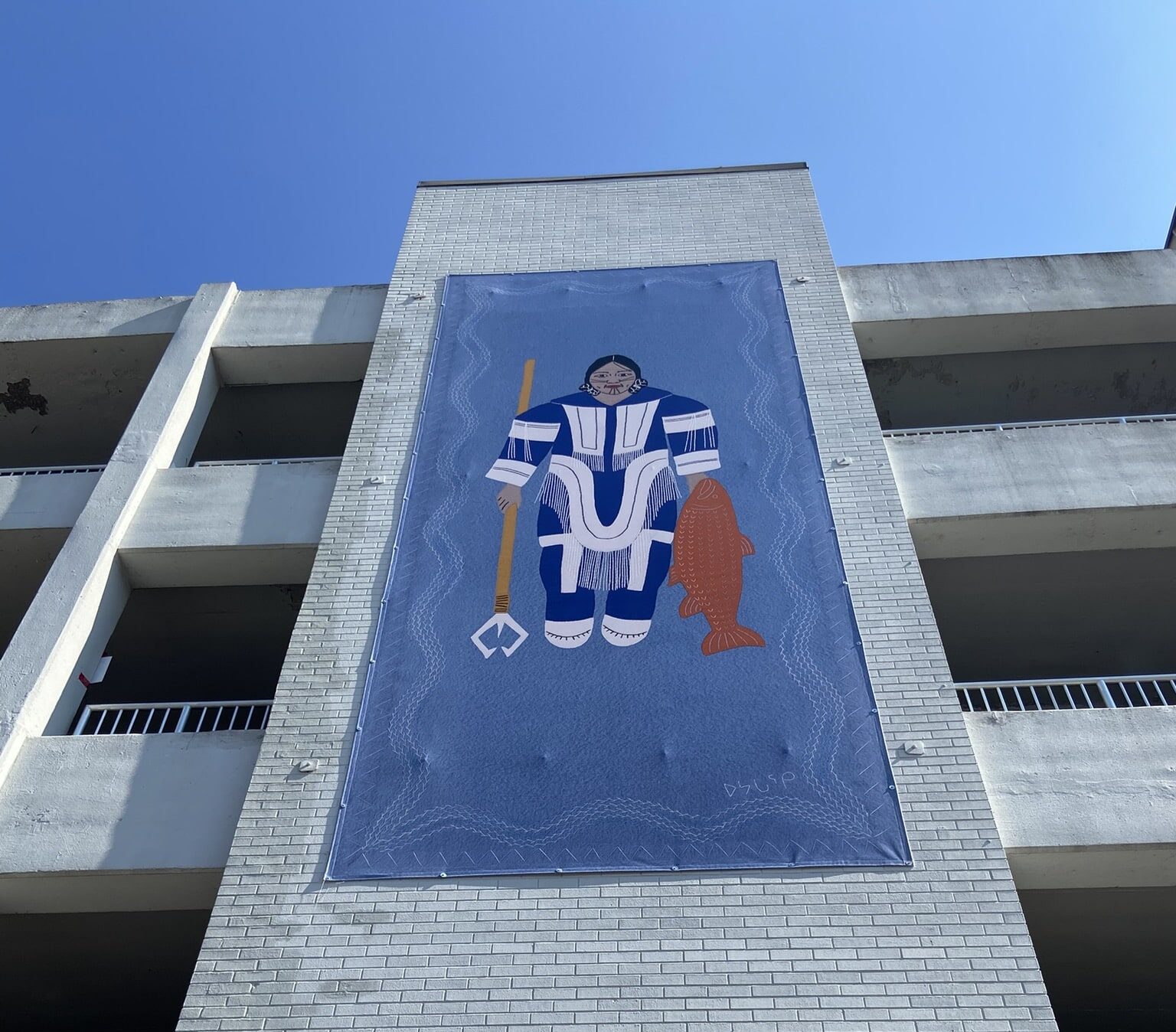 Feminist Sedna
2026, digital print based on an original wall hanging (Nivingajuliat) from 2025 made of wool duffel, melton wool, and embroidery floss
Location: 30 York Street
Artist Gayle Uyagaqi Kabloona depicts the Inuit legend of Sedna the Sea Goddess in her latest wallhanging, reinterpreting the narrative in a feminized context, allowing the heroine to be self-sufficient, empowered, and free of patriarchal violence.
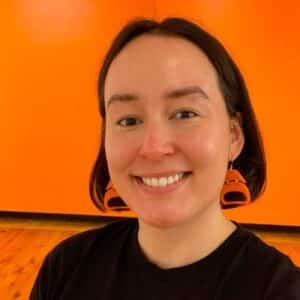
Gayle Uyagaqi Kabloona
Gayle Uyagaqi Kabloona is an Inuit multidisciplinary artist and writer based in Ottawa, ON, who creates ceramics, prints, graphic art, wall-hangings and more. Kabloona’s work is inspired by the art of her ancestors and often incorporates traditional Inuit stories told through a modern, feminist lens. Gayle enjoys carrying imagery between mediums, while paying respect to traditional methods and expertise. Her artwork allows an intimate view into contemporary Inuit life through her art, storytelling, skill-sharing amongst her community and writing about her passion for Inuit art and history.
This installation is a partnership with the Department of Indigenous Ways and Decolonization at the National Gallery of Canada.

Location: Various
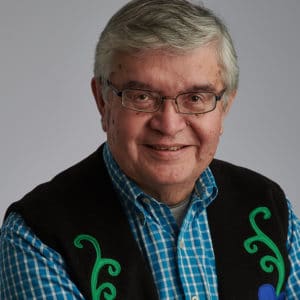
Simon Brascoupé, Hon. DUniv., MA, CAPA, CFNHM, is an Algonquin Anishinaabe artist from Kitigan Zibi Anishinabeg whose life’s work has focused on bringing Algonquin art and culture out of obscurity and into the public consciousness of Ottawa and the surrounding region. Through printmaking, painting, and monumental public art, Brascoupé expresses the cultural continuity and spiritual depth of Algonquin teachings and relationships to the land. His public artworks—such as the Birch Bark Basket at Place Abinan in Gatineau, the Algonquin Wayfinding Wheel for Ottawa’s LRT, and Màmawi at Pimisi Station, stand as enduring affirmations of Algonquin presence, resilience, and renewal.
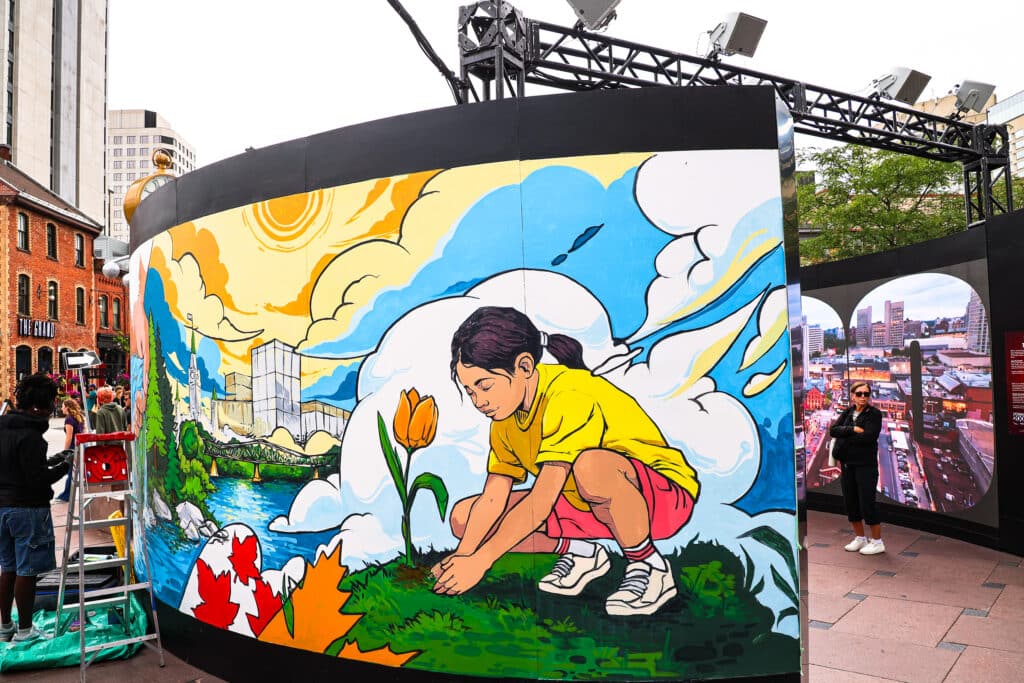 Stronger Together
2026, painted mural installation
Location: George Street Plaza
Created to mark Ottawa’s 200th anniversary, Jimmy Baptiste’s murals offer a bold and contemporary vision of the city that celebrates both its history and its future. These vibrant, graffiti-inspired works explore themes of community, belonging, diversity, and connection, inviting viewers to reflect on the many stories that shape Ottawa and the shared possibilities of the next 200 years.
This installation is a partnership with Immersive International.
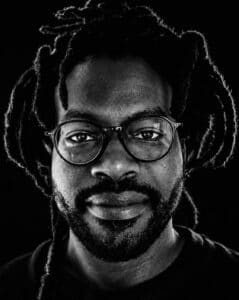
Jimmy Baptiste
Jimmy Baptiste is a multidisciplinary visual designer specializing in murals, environmental graphics, and large-scale visual storytelling for brands, institutions, and public spaces. He transforms blank walls into bold visual experiences that connect with people and reflect the character of their surroundings.
With more than two decades of experience, Baptiste has worked across public art, branding, illustration, and spatial design for universities, cultural institutions, sports venues, and commercial clients.
Rooted in graffiti and contemporary visual culture, his distinctive visual language is paired with a deep commitment to design excellence. Each project is carefully crafted to help places express identity, foster connection, and create lasting impressions for the communities they serve.