

“In many ways, this exhibition transformed me just as much as I hope it transforms those who experience it.”
When Danayit Ephrem Zeru began her year as Curatorial Fellow at the Ottawa Art Gallery (OAG) through an annual program developed in collaboration with the Ottawa Black Art Kollective (OBAK) and the National Gallery of Canada (NGC), she saw it as an opportunity not only to curate an exhibition, but also to develop her curatorial practice through mentorship, collaboration with artists and professionals in the field, and hands-on experience bringing an exhibition from an initial idea to the gallery setting.
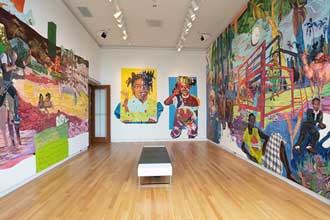
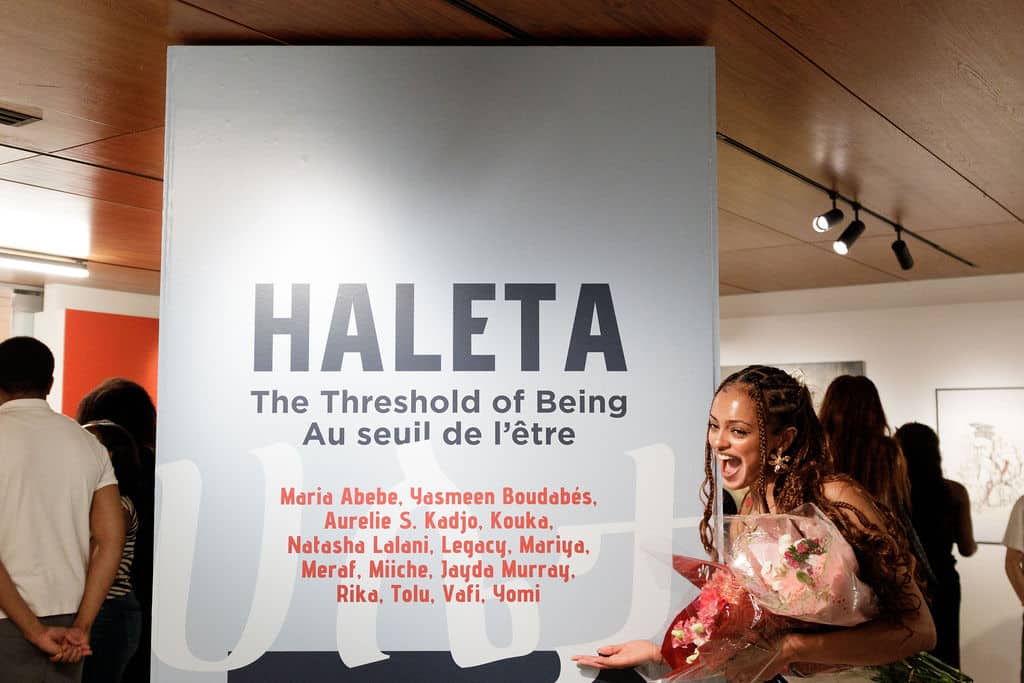
The result is ሀሌታ | Haleta: The Threshold of Being, an exhibition featuring the work of 13 local Ottawa artists and exploring ideas of identity, memory, heritage, transformation and belonging.
When Zeru first applied for the fellowship, her concept centred on untranslatable words, but she had not yet chosen one to anchor the exhibition. It was her father who helped her find Haleta, the word that would become both the title and the foundation of the show.
“Haleta is a Ge’ez word that continues to live on in Amharic. It has no direct English translation. It can mean the beginning or the first letter, but it also carries a much deeper spiritual meaning. It refers to the moment before creation-the moment before God spoke the first thing into existence. It is possibility before form. It describes a state of becoming that exists just before the first step. More than a beginning, Haleta is the right before something comes into being.” – Danayit Ephrem Zeru
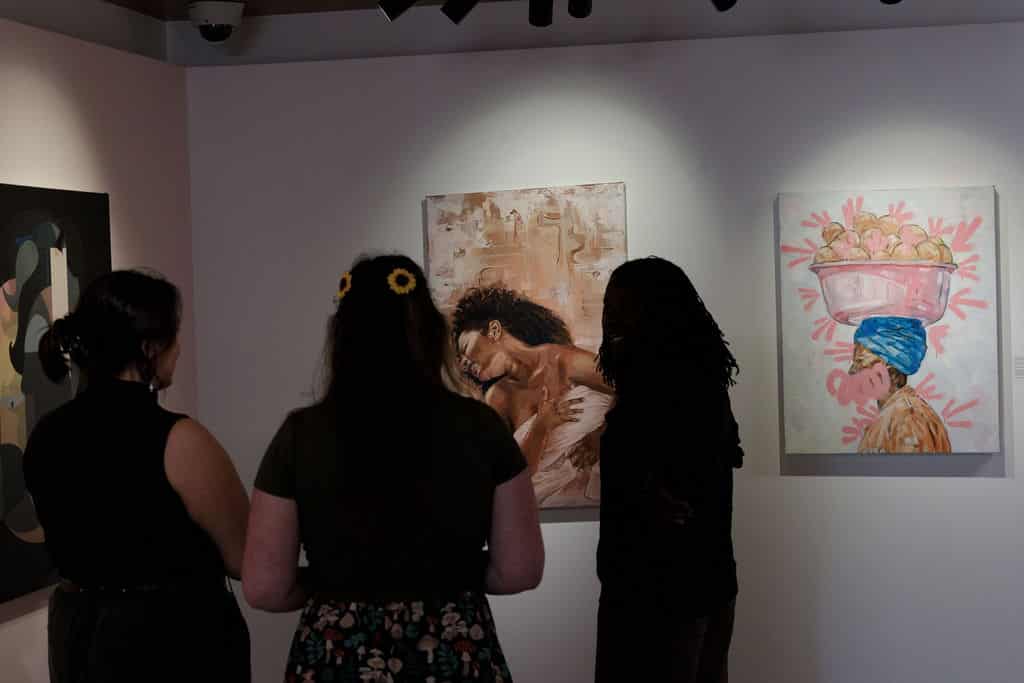
The concept of Haleta became the foundation for the exhibition. The curator invited each artist to select a word that holds personal significance, whether rooted in their cultural background, heritage or language, or inspired by a concept from another culture that resonates deeply with them. The artists then brought these words to life through painting, photography, sculpture, or mixed media, expressing emotions, experiences and states of being that transcend language.
A few examples include: Esey (Amharic-Ethiopia), which means “joy born from relief, gratitude and the fulfillment of hope”; Anamnesis (Greece-Greek), interpreted as “remembering in a way that transforms the present”; Tentacion (Spanish- Spain), or “the urge or desire to do something wrong or unwise”. Discover artworks behind these words, and more in the exhibition.
“The more I sat with that idea, the more I realized it perfectly reflected what every artist in this exhibition was exploring. Each artist approaches this threshold differently. Some explore migration and identity. Others reflect on memory, ancestry, healing, spirituality, resilience, or belonging. Yet despite their different practices, they all ask us to think about what it means to exist in-between. Between countries. Between generations. Between grief and hope. Between who we once were and who we are still becoming.”
For Zeru, the process of developing the exhibition was itself an experience of becoming. Working with this group of artists gave her the opportunity to enter distinct creative practices, “Working with 13 artists meant stepping into 13 completely different worlds. Every conversation challenged my own understanding of identity, community, and transformation. In many ways, this exhibition transformed me just as much as I hope it transforms those who experience it.”
The fellowship, which Zeru describes as a valuable investment in emerging curators, also gave her the opportunity to experience the collaborative nature of curatorial work firsthand, gaining insight into the different perspectives and expertise that OBAK, OAG and NGC bring to the process.
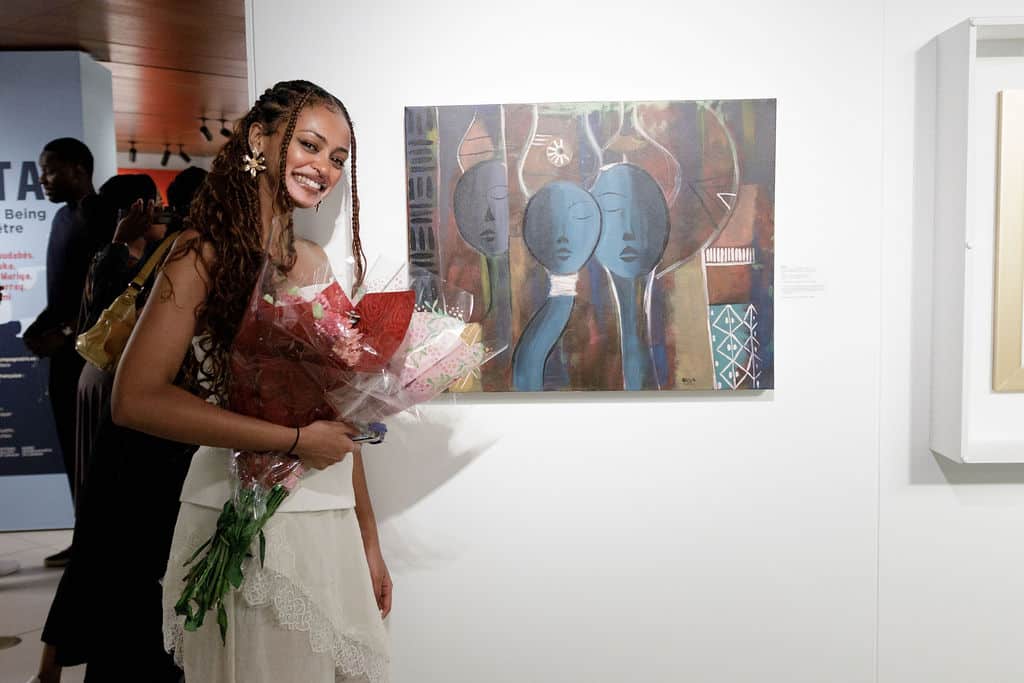
For OBAK, supporting curators is an important part of strengthening Ottawa’s Black arts community. The organization was founded with the goal of creating greater support, visibility and opportunity for Black artists while contributing to the cultural life of the wider Ottawa community.
“OBAK began with a simple but important intention: to support the Black arts community in Ottawa. We recognized that there was a need for greater support, greater visibility, and greater opportunities for Black artists to share their work and build sustainable careers—and in doing that, support the Ottawa community at large. So much of what OBAK does requires collaboration, partnership, and community and curators are such an important part of that process. They have the ability to create opportunities, bring artists and audiences together, and help us see our communities and stories through different eyes.” – Monique Fuller, OBAK Co-founder
From Haleta as a word and concept to Haleta the exhibition, the idea of becoming takes shape through the curator and artists’ diverse perspectives and experiences, inviting audiences to reflect on the space between what has been, what is, and what is still becoming. For Zeru, the journey does not end with Haleta as she continues her year-long fellowship with the second phase at the National Gallery of Canada. The experience of curating Haleta has become an important part of her development as a curator, and, fittingly, one might say, an embodiment of the exhibition’s central idea: the ongoing process of becoming.
Learn more about Danayit, and other fellows here: Curatorial Fellowship Program. The Ottawa Art Gallery (OAG), the National Gallery of Canada (NGC), and the Ottawa Black Art Kollective (OBAK) collaborate annually on this innovative partnership designed to enrich the national arts ecology and support the career growth of emerging Black Canadian curators. Stay tuned for the 2027 call.